
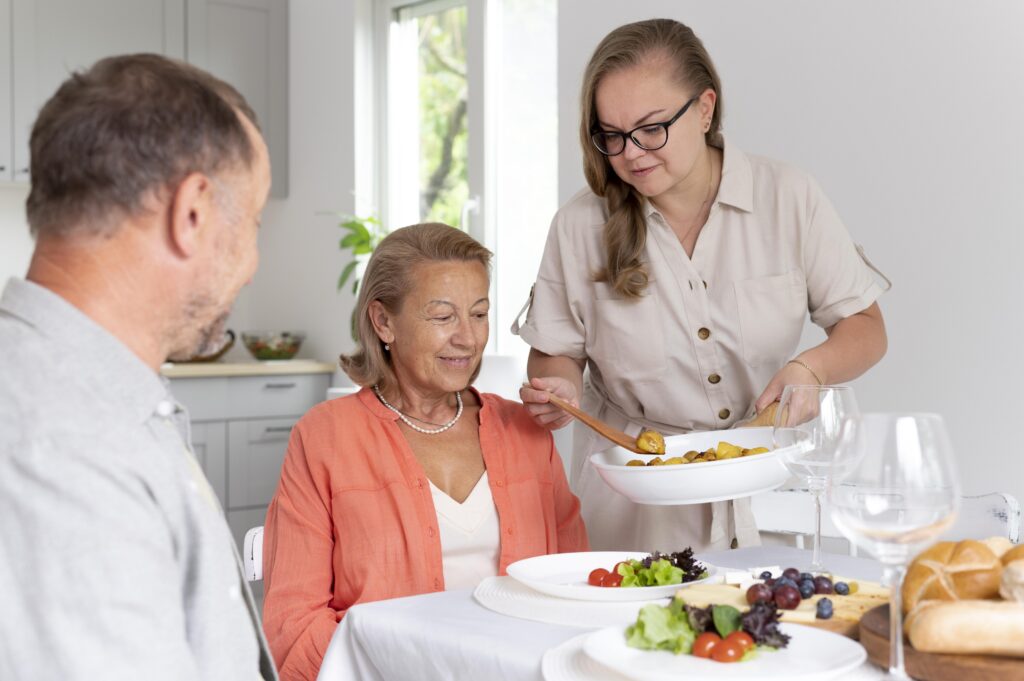
Maintaining good nutrition is an important part of staying healthy and independent at any age. However, many elderly individuals experience changes in appetite that can make eating and drinking more difficult over time.
Poor appetite in older adults may lead to weight loss, fatigue, weakness, and an increased risk of malnutrition. For families, this can become a growing concern, especially when a loved one is living alone or managing health conditions at home.
At Inspire Care Professional Services, we understand the importance of supporting healthy nutrition and wellbeing through compassionate home care.
Why Poor Appetite Can Affect Older Adults
There are many reasons why elderly individuals may experience a reduced appetite. Changes in taste, medication side effects, reduced mobility, loneliness, or underlying health conditions can all affect eating habits.
Some older adults may:
- Forget to eat regularly
- Feel less interested in food
- Struggle with meal preparation
- Feel tired while cooking
- Experience difficulty chewing or swallowing
Over time, poor nutrition can affect both physical and emotional wellbeing.
Understanding the Risks of Malnutrition
Malnutrition can develop gradually and may not always be immediately noticeable. Without proper nutrition, elderly individuals may become more vulnerable to illness, falls, muscle weakness, and slower recovery from health conditions.
Possible signs of malnutrition may include:
- Unexplained weight loss
- Low energy or fatigue
- Weakness or reduced mobility
- Frequent illness
- Poor concentration
- Reduced interest in food or drinks
Recognising these signs early can help families seek support before health concerns worsen.
Encouraging Healthy Eating at Home
Supporting nutrition at home does not always require large meals or complicated routines. Small, consistent changes can help improve appetite and encourage healthier eating habits.
Helpful approaches may include:
- Offering smaller meals more regularly
- Preparing colourful and appealing foods
- Encouraging favourite meals and snacks
- Providing soft or easy-to-eat options when needed
- Encouraging hydration throughout the day
- Creating a calm and comfortable mealtime environment
Enjoyable mealtimes can help improve both nutrition and emotional wellbeing.
The Importance of Meal Preparation Support
Preparing meals can become physically and emotionally challenging for some elderly individuals, especially those living alone or managing mobility difficulties.
Home care support with meal preparation can help by:
- Assisting with grocery shopping
- Preparing nutritious meals safely
- Supporting dietary needs and preferences
- Encouraging regular eating routines
- Promoting hydration and wellbeing
Having support with daily meals can provide reassurance for both individuals and their families.
Nutrition and Emotional Wellbeing
Food is often connected to comfort, routine, and social interaction. Eating alone or struggling with meal preparation can sometimes contribute to loneliness or reduced enjoyment around food.
Companionship during mealtimes and gentle encouragement can help make eating a more positive experience. Emotional wellbeing plays an important role in maintaining healthy routines and quality of life.
How Inspire Care Professional Services Can Help
At Inspire Care Professional Services, we provide compassionate home care that supports both physical health and emotional wellbeing.
Our carers can assist with:
- Meal preparation and nutrition support
- Shopping assistance
- Hydration reminders
- Companionship during meals
- Daily routine support
- Encouraging independence at home
We believe that personalised care should support comfort, dignity, and healthy living every day.
Supporting Health and Wellbeing at Home
Good nutrition is an essential part of maintaining health, strength, and independence later in life. With the right support, elderly individuals can continue enjoying nutritious meals and comfortable daily routines at home.
At Inspire Care Professional Services, we are committed to helping individuals live safely, comfortably, and confidently with compassionate care tailored to their needs.